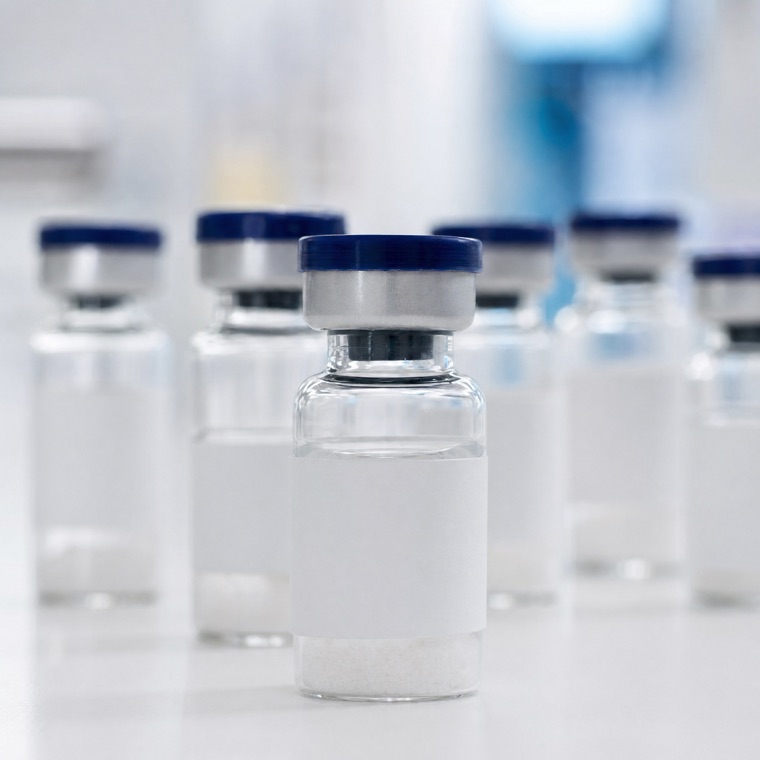
Bremelanotide (PT-141) has the strongest human evidence for libido-related effects, and its branded form Vyleesi is FDA-approved for hypoactive sexual desire disorder in premenopausal women. Other peptides like kisspeptin-10 and oxytocin have early-stage human data, while compounds such as BPC-157 and selank have only animal or in-vitro research behind them. None of the research-chemical versions of these peptides are FDA-approved treatments.
How We Ranked These Compounds
This guide ranks peptides by the quality and size of their human evidence, not by how often they appear in forum posts or vendor marketing. The hierarchy used here: randomized controlled trials (RCTs) in humans sit at the top, followed by small human studies or open-label trials, then animal studies, then in-vitro work. A compound with one mouse study and a lot of buzz ranks below a compound with a modest but real human RCT.
Every compound on this list is a research chemical unless specifically noted otherwise. Research chemicals are not FDA-approved for any use, are not legally sold for human consumption in the United States, and should not be interpreted as treatments for any condition. Where a compound has an approved pharmaceutical counterpart, that approval belongs to the branded drug only, and the distinction matters legally and medically.
Libido is also a complex outcome. Studies measure it differently: self-reported desire scales, genital arousal responses, partner-rated satisfaction, or hormonal proxies like LH and testosterone. When a study measures one of those things, it doesn't automatically tell you about the others. We flag what each study actually measured.
Bremelanotide (PT-141): The Strongest Human Evidence
Bremelanotide is a melanocortin receptor agonist derived from the earlier compound Melanotan II. Its branded pharmaceutical form, Vyleesi, received FDA approval in 2019 for hypoactive sexual desire disorder (HSDD) in premenopausal women. That approval was based on two Phase 3 RCTs published in Obstetrics and Gynecology in 2019, each enrolling roughly 600 women, which found statistically significant improvements on the Female Sexual Function Index desire subscale and reductions in distress scores compared to placebo.
The research-chemical version sold by peptide vendors is not Vyleesi, is not FDA-approved, and is not manufactured under pharmaceutical-grade controls. The distinction is not a technicality. Vyleesi is a subcutaneous auto-injector with a defined formulation, stability testing, and a prescribing label. Raw bremelanotide powder from a research vendor has none of those assurances.
The approved drug's label lists nausea (affecting roughly 40% of participants in trials), flushing, and transient blood pressure increases as common side effects. The Phase 3 trials also enrolled only premenopausal women with HSDD, so the evidence base doesn't extend to men, postmenopausal women, or people without a clinical HSDD diagnosis. Anyone interested in Vyleesi specifically should speak with a licensed prescriber.
Kisspeptin-10: Promising Early Human Data
Kisspeptin is a neuropeptide that drives GnRH (gonadotropin-releasing hormone) pulses, which in turn regulate LH, FSH, and sex steroid production. Kisspeptin-10 is the shortest active fragment. A 2017 study in the Journal of Clinical Investigation, led by researchers at Imperial College London, administered kisspeptin-54 (a longer form) to 29 healthy men and found increased hypothalamic activity on fMRI in response to sexual stimuli compared to saline. The sample was small and the outcome was a brain-imaging proxy, not a behavioral or self-reported libido measure.
A separate 2020 study in the Journal of Clinical Endocrinology and Metabolism examined kisspeptin-54 in 32 men with low sexual desire and found improvements in sexual quality-of-life scores and increased penile tumescence responses compared to placebo. That's a randomized crossover design, which is a meaningful step up from open-label work, but 32 participants is still a small sample. Kisspeptin-10 specifically has less human data than the longer kisspeptin-54 fragments used in those trials.
No kisspeptin peptide has received regulatory approval for any sexual function indication anywhere. All forms available from research vendors are unregulated compounds. The existing human trials were conducted in controlled clinical settings with pharmaceutical-grade material, which is not what research-chemical buyers receive.
Oxytocin: Real Hormone, Thin Libido Evidence
Oxytocin is a naturally occurring neuropeptide with well-established roles in social bonding, trust, and orgasm physiology. It's also available as an FDA-approved drug (Pitocin) for obstetric indications, and as a compounded nasal spray from some clinics. The libido-specific evidence is thinner than the general reputation suggests.
A 2013 RCT in Hormones and Behavior enrolled 29 couples and found that intranasal oxytocin (24 IU) increased self-reported sexual desire and satisfaction scores compared to placebo in a single-session crossover design. A 2012 study in the same journal found that oxytocin enhanced the subjective intensity of orgasm in 31 healthy adults. Both studies are small, single-session, and measure self-report outcomes that are susceptible to expectation effects.
Compounded oxytocin nasal sprays exist in a regulatory gray zone. The FDA has taken action against some compounders. Anyone considering oxytocin for any purpose should consult a physician, not a peptide vendor. The research-chemical oxytocin sold online is not the same as a compounded or pharmaceutical product.
BPC-157 and Selank: Animal Data Only for Sexual Function
BPC-157 is a synthetic peptide fragment derived from a protein found in gastric juice. It has a meaningful body of animal research on tissue repair and gut lining integrity, covered in more depth in other guides on this site. For sexual function specifically, the evidence is limited to rodent studies. A 2007 paper in the Journal of Physiology and Pharmacology examined BPC-157 effects on erectile function in rats with surgically induced nerve damage and found improvements compared to controls. Rat models of erectile dysfunction don't translate reliably to human outcomes, and no human RCT on BPC-157 and libido exists.
Selank is a synthetic heptapeptide developed in Russia, sometimes described as an anxiolytic. The proposed connection to libido is indirect: anxiety reduction may lower psychological barriers to sexual desire. The human research on selank is sparse and focused on anxiety outcomes in small Russian clinical studies, not on libido specifically. There are no published RCTs in English-language peer-reviewed journals examining selank and sexual function.
Both BPC-157 and selank are unregulated research compounds in the United States. The FDA has issued warning letters to vendors selling BPC-157 for human use. Buyers should treat any vendor claims about these compounds and libido as unsupported by human evidence.
Who Should Skip This Category Entirely
Anyone expecting a straightforward supplement experience should understand that most peptides in this category require reconstitution and subcutaneous injection, are not sold in finished consumer product form, and come with supply-chain quality risks that oral supplements don't carry. Purity, sterility, and accurate concentration are not guaranteed by any research vendor.
People with cardiovascular conditions should pay particular attention to bremelanotide's blood pressure effects documented in the Vyleesi trials. The approved drug carries a warning about transient increases in blood pressure. Research-chemical versions carry the same pharmacological risks without the manufacturing oversight.
Anyone currently taking medications that affect blood pressure, hormones, or the central nervous system should be aware that peptide interactions with those drugs are largely unstudied. The absence of interaction data is not evidence of safety. A conversation with a physician who knows your full medication list is the only reasonable starting point before researching any of these compounds further.
How we evaluate
- Evidence tier Is the research preclinical (animal), limited human trials, or robust human data? We label each.
- Regulatory status Is the compound FDA-approved for any human use? Most are not. We state it plainly for each entry.
- Mechanism transparency Is the proposed mechanism understood, or is it theoretical? We separate the two.
- Vendor documentation Any vendor we link must supply batch-linked third-party COAs and make no human-use claims.
- Claim integrity We describe research findings as findings, never as guaranteed human outcomes.
The compounds covered in these guides are classified as research chemicals. None are approved by the FDA for human use, human consumption, or the treatment of any condition. They are sold legally only for laboratory and in vitro research purposes.
Affiliate disclosure: the link below is sponsored. We may earn a commission if you buy through it, at no cost to you. It does not affect our picks or scores.
See this month's top-rated picksFrequently asked questions
Is PT-141 the same thing as Vyleesi?
Bremelanotide is the active compound in both. Vyleesi is the FDA-approved pharmaceutical product, manufactured under strict quality controls, dispensed by prescription, and approved specifically for hypoactive sexual desire disorder in premenopausal women. PT-141 is the name used for research-chemical bremelanotide sold by peptide vendors. It is not FDA-approved, not manufactured to pharmaceutical standards, and not legally sold for human use in the United States.
Do any of these peptides have human RCT evidence for libido in men?
The kisspeptin-54 crossover RCT published in the Journal of Clinical Endocrinology and Metabolism in 2020 enrolled 32 men with low sexual desire and found improvements in sexual quality-of-life scores and penile tumescence responses. That's the strongest human RCT evidence for a peptide and male libido currently in the published literature, though the sample size is small. Bremelanotide's Phase 3 trials enrolled only premenopausal women, so they don't address male libido directly.
Why do peptide vendors list so many compounds for libido if the evidence is this limited?
Vendor product pages are marketing materials, not literature reviews. Vendors are not required to substantiate structure-function claims the same way pharmaceutical companies must substantiate drug claims, and enforcement is inconsistent. Many vendor claims trace back to animal studies, in-vitro data, or anecdotal forum reports rather than human RCTs. Reading the primary research directly, rather than relying on vendor descriptions, is the only way to assess what the evidence actually shows.
Sources
- Clayton et al., 2019, Obstetrics and Gynecology Phase 3 RCT data for bremelanotide (Vyleesi)
- Dhillo et al., 2020, Journal of Clinical Endocrinology and Metabolism Kisspeptin-54 RCT in men with low sexual desire
- Behnia et al., 2013, Hormones and Behavior Intranasal oxytocin RCT and sexual desire outcomes
Educational and informational content only. This is not medical advice, diagnosis, or treatment guidance. The compounds discussed are research compounds not approved by the FDA for human use, human consumption, or the treatment of any condition outside prescribed contexts. Consult a licensed clinician before making any health-related decision.