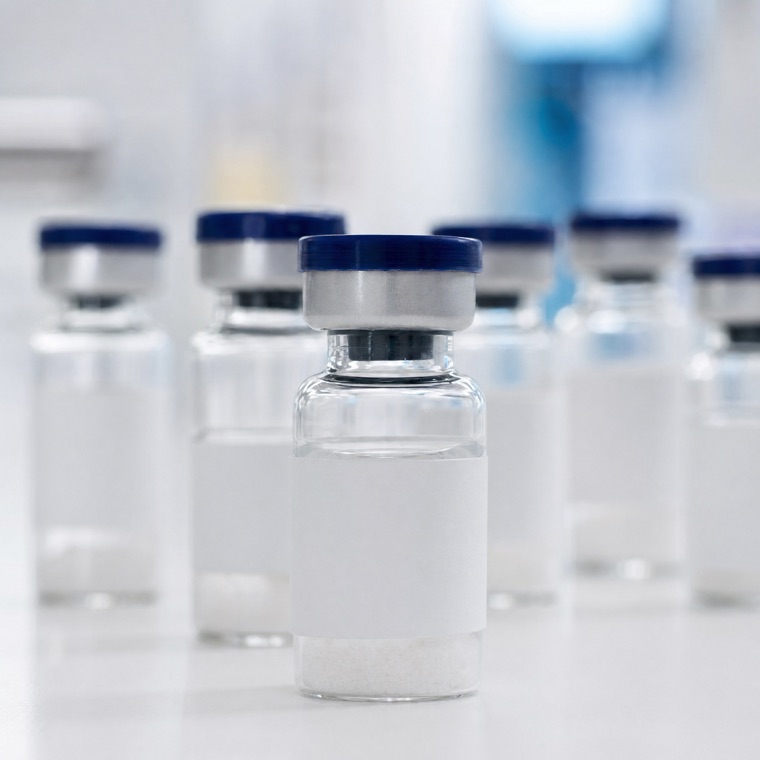
The peptides most studied for gut health include BPC-157, GLP-2 analogs like teduglutide, and larazotide acetate, with evidence ranging from approved pharmaceutical use to mostly animal-only data. Teduglutide (as Gattex) is the only gut-specific peptide with FDA approval, and only for short bowel syndrome. Most others are research compounds with preclinical or very early human data, not approved treatments.
How We Ranked These Peptides
This guide ranks peptides by evidence quality, not by how often they appear in supplement marketing. The tiers we use are: human randomized controlled trials (RCTs), small human studies or open-label trials, animal studies, and in-vitro (cell culture) work. A compound with one rodent study sits far below one with multiple human RCTs, regardless of how popular it is on forums.
We also looked at whether a compound has an approved pharmaceutical form, because that distinction matters enormously for a buyer. An approved drug has cleared FDA safety and efficacy review. A research peptide sold online has not. Where an approved version exists, we name it explicitly. Where it doesn't, we say so plainly.
Gut health is a broad term. For this guide it covers intestinal barrier integrity, mucosal healing, motility, and conditions like inflammatory bowel disease and short bowel syndrome. Peptides studied only for systemic inflammation or metabolic effects without gut-specific endpoints are not included here.
Teduglutide (GLP-2 Analog): The Strongest Evidence
Teduglutide is a synthetic analog of glucagon-like peptide-2 (GLP-2), a hormone produced in the small intestine that promotes mucosal growth and nutrient absorption. The branded drug Gattex received FDA approval in 2012 for adults with short bowel syndrome who depend on parenteral nutrition. A pediatric indication followed in 2016. This is the only gut-focused peptide on this list with full FDA approval, and that approval applies specifically to Gattex, not to research-grade teduglutide sold by peptide vendors.
The pivotal trial published in Gastroenterology in 2012 enrolled 86 adults with short bowel syndrome. After 24 weeks, 63 percent of patients in the teduglutide group achieved at least a 20 percent reduction in parenteral support volume, compared with 30 percent in the placebo group. That's a real, large, well-controlled human trial, which is why teduglutide sits at the top of this list.
Outside of short bowel syndrome, researchers have investigated GLP-2 analogs for Crohn's disease and radiation enteritis, but those studies are smaller and results are mixed. Anyone seeing teduglutide or generic GLP-2 peptides sold as general gut-health supplements should understand the approved drug is a prescription product administered under medical supervision for a serious condition.
BPC-157: Popular, But Mostly Animal Data
BPC-157 (Body Protection Compound-157) is a synthetic pentadecapeptide derived from a protein found in human gastric juice. It's one of the most discussed peptides in gut-health communities, and the preclinical research is genuinely interesting. Studies in rats have shown accelerated healing of gastric ulcers, reduced gut inflammation, and protection against NSAID-induced intestinal damage. A 2018 review in Current Pharmaceutical Design by Sikiric and colleagues summarized years of animal work showing effects on angiogenesis and mucosal repair.
The problem is the human evidence. As of mid-2025, there are no published human RCTs on BPC-157 for any gut condition. A small number of early-phase human trials have been registered on ClinicalTrials.gov, but none have published results that establish efficacy in people. Everything compelling about BPC-157 for gut health comes from rodent models, which frequently fail to translate to humans.
BPC-157 is not FDA approved in any form. It is sold as a research compound and is not a legal dietary supplement ingredient under current FDA guidance. Buyers should weigh the genuine preclinical interest against the complete absence of human trial data before drawing conclusions about its usefulness.
Larazotide Acetate: The Leaky Gut Candidate
Larazotide acetate is an 8-amino-acid peptide designed to regulate tight junction proteins in the intestinal epithelium, the structures that control what passes through the gut wall. It has been studied primarily in celiac disease, where intestinal permeability is a central feature. A 2015 RCT published in Gastroenterology enrolled 342 adults with celiac disease on a gluten-free diet and found that 0.5 mg larazotide three times daily reduced gastrointestinal symptom scores compared to placebo, though it did not significantly reduce intestinal permeability markers in that trial.
A smaller 2008 phase 2 trial in 86 patients, also published in Gastroenterology, showed larazotide reduced gluten-induced intestinal permeability increases. Together these trials represent some of the better human evidence for a gut-barrier peptide, though the compound has not received FDA approval and development has been slow. The manufacturer paused further trials after the 2015 results were mixed on the permeability endpoint.
Larazotide is not commercially available as a supplement or research peptide in the same way BPC-157 is. It's worth knowing about because it represents the most rigorous human testing of a tight-junction-targeting peptide, which is relevant context for anyone evaluating broader claims about gut-barrier peptides.
Glutamine-Based Peptides and Colostrum-Derived Peptides: Modest Human Data
Alanyl-glutamine is a dipeptide form of glutamine used in clinical nutrition to support intestinal integrity in critically ill patients. A 2014 RCT in Clinical Nutrition enrolled 55 patients with chemotherapy-induced mucositis and found alanyl-glutamine supplementation reduced the severity and duration of gut mucosal damage compared to placebo. Glutamine is a primary fuel source for enterocytes, the cells lining the small intestine, which gives this peptide a mechanistic rationale that most others lack.
Colostrum-derived peptides, including proline-rich polypeptides, have been studied in small trials for gut permeability and immune function. A 2016 study in Nutrients with 40 participants found bovine colostrum supplementation reduced exercise-induced gut permeability increases. The sample sizes here are small and the compounds are complex mixtures rather than single peptides, which makes it harder to attribute effects to any one component.
Both alanyl-glutamine and colostrum-derived peptides occupy a middle tier: more human data than BPC-157, less than teduglutide, and with narrower or more specific studied populations. Alanyl-glutamine in particular is used in clinical settings, which gives it a different regulatory and practical status than most research peptides on this list.
What Should a Buyer Actually Take Away From This?
The honest summary is that gut-health peptide research is at an early stage for most compounds. Teduglutide has strong human evidence but is a prescription drug for a specific serious condition. Larazotide has decent human RCT data but isn't commercially available. BPC-157 has compelling animal studies and essentially no published human trial results. Alanyl-glutamine has clinical use in specific medical contexts. None of this maps neatly onto the general wellness framing used in most peptide marketing.
If you're evaluating a vendor selling BPC-157 or similar compounds for gut health, the right question is whether the evidence tier matches the claims being made. Animal studies are not proof of human efficacy. A compound being 'studied' does not mean it has been shown to work in people. This guide is informational only and does not constitute medical advice. Anyone with a diagnosed gut condition should work with a gastroenterologist rather than self-directing with research compounds.
Vendor quality matters too. For any research peptide, third-party testing for purity and identity is the baseline standard. Certificates of analysis from independent labs, not in-house testing, are the minimum a serious buyer should expect. The peptide market has significant quality variation, and that variation has direct implications for both safety and whether a compound does anything at all.
How we evaluate
- Evidence tier Is the research preclinical (animal), limited human trials, or robust human data? We label each.
- Regulatory status Is the compound FDA-approved for any human use? Most are not. We state it plainly for each entry.
- Mechanism transparency Is the proposed mechanism understood, or is it theoretical? We separate the two.
- Vendor documentation Any vendor we link must supply batch-linked third-party COAs and make no human-use claims.
- Claim integrity We describe research findings as findings, never as guaranteed human outcomes.
The compounds covered in these guides are classified as research chemicals. None are approved by the FDA for human use, human consumption, or the treatment of any condition. They are sold legally only for laboratory and in vitro research purposes.
Affiliate disclosure: the link below is sponsored. We may earn a commission if you buy through it, at no cost to you. It does not affect our picks or scores.
See this month's top-rated picksFrequently asked questions
Is BPC-157 legal to buy in the United States?
BPC-157 exists in a gray area. The FDA has not approved it as a drug or recognized it as a legal dietary supplement ingredient. In 2022, the FDA issued guidance indicating that BPC-157 cannot be legally marketed as a dietary supplement. It is sold by some vendors as a 'research chemical' for laboratory use, but that designation does not make it legal for human consumption. Buyers should understand this regulatory status before purchasing.
What is the difference between teduglutide and GLP-2 research peptides sold online?
Teduglutide sold as Gattex is an FDA-approved prescription drug manufactured under pharmaceutical-grade conditions, tested for safety and efficacy in large human trials, and dispensed through the medical system for short bowel syndrome. Research-grade GLP-2 peptides sold by online vendors are not FDA approved, have not undergone the same manufacturing standards or clinical review, and are not legal for human therapeutic use. The molecule may be structurally similar, but the regulatory and quality context is entirely different.
Are there any gut-health peptides with strong human evidence that aren't prescription drugs?
Alanyl-glutamine comes closest. It has been studied in human RCTs for chemotherapy-induced mucositis and is used in clinical nutrition formulas, which gives it a more established human evidence base than most research peptides. Colostrum-derived peptides have some small human trial data on gut permeability. Neither has the depth of evidence behind teduglutide, but both have more human data than compounds like BPC-157 that are primarily supported by animal studies.
Sources
- Sikiric et al., 2018, Current Pharmaceutical Design BPC-157 preclinical gut healing review
- Jeppesen et al., 2012, Gastroenterology (teduglutide RCT) Pivotal teduglutide short bowel syndrome trial
- Leffler et al., 2015, Gastroenterology (larazotide RCT) Phase 3 larazotide celiac disease trial
- Daveson et al., 2011, Gastroenterology (larazotide phase 2) Early larazotide permeability trial in celiac
Educational and informational content only. This is not medical advice, diagnosis, or treatment guidance. The compounds discussed are research compounds not approved by the FDA for human use, human consumption, or the treatment of any condition outside prescribed contexts. Consult a licensed clinician before making any health-related decision.