Affiliate disclosure: Some links on this page are affiliate links. We may earn a commission at no cost to you when you click through and purchase — see our full disclosure. Commissions never change editorial picks or scores.
Updated June 2026 — reviewed quarterly

Best Peptide Brand

The Consumer Guide
Research compound guide · Q2 2026

Best Peptides for Muscle Growth: What the Research Actually Shows

A criteria-first look at six peptides most discussed in muscle and recovery research. We break down the evidence tier, regulatory status, and where vendors actually stand on documentation quality. No dosing instructions. No treatment claims.

By Dr. A. Bello, Clinical Advisor Reviewed by M. Cho, PharmD 6 peptides evaluated Updated June 2026
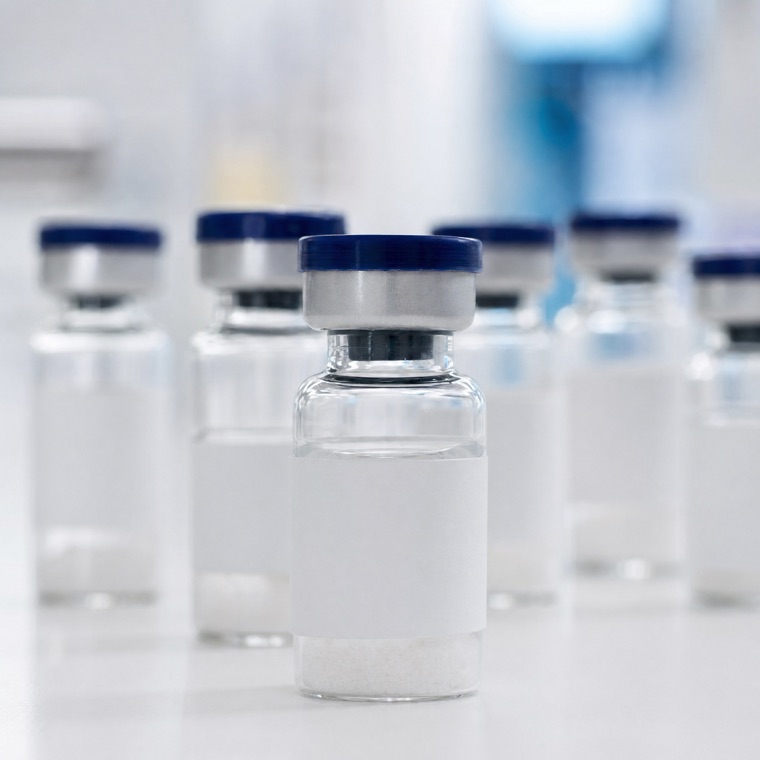
Research peptide vials on a laboratory surface
Literature reviewedPubMed-sourced, date-limited studies
PharmD reviewedRegulatory boundary check on every claim
Research compounds onlyNone of these are FDA-approved for human use
No dosing, no protocolsEditorial-only, not medical guidance

Spend any time in research peptide forums and you will find the same six compounds named again and again in conversations about muscle tissue, recovery, and growth hormone pathways. What those conversations rarely include is a clear-eyed look at what the research actually says, at what tier, and under what conditions it was conducted.

Most preclinical findings come from rodent models. A result in a mouse study does not translate automatically to a human outcome. Several compounds on this list have limited human trial data. One (MK-677) has more human research than the others, though its approval status matters here. These distinctions are not fine print — they are the entire point of this guide.

We evaluated six peptides discussed most frequently in the muscle growth and recovery category. For each one, we document what the research shows, what it does not show, the FDA and regulatory status, and how to find vendors who sell it as a documented research compound. We do not provide dosing guidance, reconstitution instructions, or any information that would apply to human use.

Affiliate disclosure: Links to vendors on this page use rel="sponsored nofollow". We earn a commission if you purchase. That commission does not influence which compounds we include, how we describe them, or what we say about the evidence. Our job is to tell you what the research actually shows — not to make any compound look better than it is.

How we evaluate

  • Evidence tier Is the research preclinical (animal), limited human trials, or robust human data? We label each.
  • Regulatory status Is the compound approved by the FDA for any human use? Most are not. We state this clearly for each entry.
  • Mechanism transparency Is the proposed mechanism understood, or is it theoretical? We distinguish between the two.
  • Vendor documentation For any vendor we link, we verify they supply batch-linked third-party COAs and make no human-use claims on their site.
  • Claim integrity We do not state or imply that any compound will produce muscle growth in humans. Research findings are described as findings, not guarantees.
Regulatory note

All six compounds in this guide are classified as research chemicals. None are approved by the FDA for human use, human consumption, or treatment of any condition. They are sold legally only for laboratory and in vitro research purposes.

Ranked: 6 peptides discussed for muscle growth

1
CJC-1295
Growth Hormone-Releasing Hormone Analogue (GHRH)
Limited Human Data Research Compound

What it is

CJC-1295 is a synthetic analogue of growth hormone-releasing hormone (GHRH), the endogenous peptide that signals the pituitary gland to release growth hormone. The modified version is designed to extend the half-life of native GHRH, which degrades quickly in circulation. A variant known as CJC-1295 with DAC (drug affinity complex) extends this half-life further by binding to albumin in the bloodstream.

What the research shows

A 2006 human study published in the Journal of Clinical Endocrinology and Metabolism (Teichman et al.) found that CJC-1295 produced dose-dependent increases in GH and IGF-1 levels in healthy adults over a multi-week period. This is among the more robust human data points in this category. However, the study population was small, the follow-up period limited, and the primary endpoints were hormonal, not muscle mass outcomes. Elevated GH and IGF-1 are associated with anabolic signaling pathways, but a hormonal signal is not the same as a demonstrated muscle mass outcome in controlled trials.

Preclinical findings in animal models are more extensive, showing effects on body composition with sustained GH elevation. Human muscle-specific outcomes remain understudied in published literature.

Regulatory status

CJC-1295 is not approved by the FDA for human use, human consumption, or the treatment of any medical condition. It is not a licensed therapeutic in the United States or most other jurisdictions. It is sold legally only as a research compound for laboratory use.


Research compound: Not FDA-approved for human use. Sold for laboratory research purposes only. This guide does not provide dosing, protocols, or any application guidance for human use.
Strengths (research context)
  • One of few GHRH analogues with published human pharmacokinetic data
  • Extended half-life vs. native GHRH is well-characterized
  • GH and IGF-1 elevation documented in controlled setting
Limitations (research context)
  • Human muscle-outcome data is sparse in published literature
  • Small study populations in existing human trials
  • Long-term safety profile not established in humans
Find vetted vendors

Affiliate disclosure: links below are sponsored. Commission does not affect this editorial entry.

Check vetted vendors
Vendors shown on our main guide meet our documentation standards
2
Ipamorelin
Growth Hormone Secretagogue / Ghrelin Receptor Agonist
Primarily Preclinical Research Compound

What it is

Ipamorelin is a pentapeptide that acts as a selective growth hormone secretagogue — it stimulates GH release by binding ghrelin receptors (GHS-R1a) in the pituitary gland. It is considered selective in that it is reported to have less effect on cortisol and prolactin compared to earlier-generation GH secretagogues, a finding observed primarily in preclinical models. It is often studied in combination with GHRH analogues like CJC-1295.

What the research shows

Most published ipamorelin research is in rodent models, where GH pulse amplification and changes in body composition have been documented. A limited number of early human studies explored its use in postoperative GI motility — a different application entirely from muscle or body composition outcomes. Those findings do not translate to statements about muscle growth in healthy populations.

The selectivity profile often cited in online discussion is based largely on a 1999 Raun et al. study in animal models. The claim that ipamorelin is "cleaner" than other GH secretagogues in humans has not been validated at scale in published human clinical trials specific to body composition.

Regulatory status

Ipamorelin is not approved by the FDA for human use or any therapeutic application. It is classified as a research compound and is legal to possess and sell only for laboratory and research purposes in the United States.

Research compound: Not FDA-approved for human use. No human dosing information is provided in this guide.
Strengths (research context)
  • Selectivity profile studied (primarily in animal models)
  • GH pulse amplification documented preclinically
  • Frequently paired with GHRH analogues in research protocols
Limitations (research context)
  • Minimal published human data on body composition endpoints
  • Selectivity claims largely extrapolated from animal studies
  • No FDA-approved therapeutic use to reference
Find vetted vendors

Affiliate disclosure: links below are sponsored. Commission does not affect this editorial entry.

Check vetted vendors
Vendors shown on our main guide meet our documentation standards
3
BPC-157
Body Protection Compound / Stable Gastric Pentadecapeptide
Primarily Preclinical Research Compound

What it is

BPC-157 is a 15-amino acid peptide derived from a protein found in human gastric juice. It is not a growth hormone pathway compound. Its relevance to the muscle growth category comes from its studied effects on tendon-to-bone healing, muscle tear repair, and connective tissue regeneration in animal models — recovery infrastructure, rather than anabolic signaling directly. This distinction matters for understanding what the research is and is not saying.

What the research shows

The published BPC-157 research is almost entirely preclinical, conducted in rodent models by a research group centered around Sikiric et al. in Croatia. These studies document accelerated healing of tendons, ligaments, muscle tears, and bone in rat models under controlled conditions. The breadth of claims associated with BPC-157 in popular discussion significantly exceeds what the published literature actually demonstrates.

As of this writing, there are no published randomized controlled trials in humans demonstrating that BPC-157 improves muscle recovery, repairs soft tissue, or produces any body composition outcome. The compound's mechanism in humans is not established in peer-reviewed literature. That does not mean it has no effect in humans — it means the question has not been answered by controlled human research.

Regulatory status

BPC-157 is not approved by the FDA for any human use. In 2022, the FDA issued guidance stating that BPC-157 cannot be used in compounded drugs because it has not been approved and lacks evidence of safety. It remains available as a research compound for laboratory use only.

Research compound: Not FDA-approved for human use. The FDA has specifically flagged this compound in compounding guidance. Sold for laboratory research purposes only.
Strengths (research context)
  • Substantial preclinical literature on tissue repair endpoints
  • Multiple repair mechanisms studied (tendon, muscle, bone)
  • Oral and injectable forms studied in animals
Limitations (research context)
  • No published human RCTs on recovery or muscle outcomes
  • Most research from a single research group
  • FDA flagged in 2022 compounding guidance
  • Popular claims far exceed published evidence
Find vetted vendors

Affiliate disclosure: links below are sponsored. Commission does not affect this editorial entry.

Check vetted vendors
Vendors shown on our main guide meet our documentation standards
4
TB-500
Thymosin Beta-4 Fragment (Synthetic)
Primarily Preclinical Research Compound

What it is

TB-500 is a synthetic peptide fragment of Thymosin Beta-4 (TB4), an endogenous protein that plays a role in actin regulation, cell migration, and wound healing. The full Thymosin Beta-4 protein is found naturally in human tissue at elevated concentrations in areas of injury. TB-500 is the synthetic analogue of a specific active region of that protein. Like BPC-157, its research relevance in the muscle growth category is primarily through recovery pathways rather than direct anabolic signaling.

What the research shows

Research on Thymosin Beta-4 itself has more depth than the synthetic fragment, but most findings are still preclinical or from wound healing applications in cardiology contexts. Studies in animal models have documented effects on muscle fiber repair, angiogenesis, and reduction of inflammation in injured tissue. Research in equine applications (horse racing) has been conducted given the compound's relevance to athletic injury in that context.

Human data specifically examining TB-500 in muscle growth or recovery contexts is absent from peer-reviewed literature. Studies on the parent compound in human cardiac applications exist, but those findings address a different tissue, context, and endpoint entirely.

Regulatory status

TB-500 is not approved by the FDA for any human use. It is banned by the World Anti-Doping Agency (WADA) and is prohibited in sanctioned sports. It is available legally only as a research compound for laboratory use.

Research compound: Not FDA-approved for human use. Banned by WADA for use in competitive sports. Sold for laboratory research purposes only.
Strengths (research context)
  • Parent compound (TB4) has broader research backing
  • Actin regulation mechanism is well-understood biologically
  • Tissue repair endpoints studied in multiple animal models
Limitations (research context)
  • No human muscle-outcome data in published literature
  • Banned by WADA in competitive sports
  • Research on fragment vs. full protein is limited
Find vetted vendors

Affiliate disclosure: links below are sponsored. Commission does not affect this editorial entry.

Check vetted vendors
Vendors shown on our main guide meet our documentation standards
5
MK-677 (Ibutamoren)
Non-Peptide GH Secretagogue / Ghrelin Mimetic
Mixed Human Data Research Compound

What it is

MK-677 is technically not a peptide — it is a small molecule that mimics the action of ghrelin and stimulates GH secretion through the same receptor pathway as peptide secretagogues like ipamorelin. It is orally bioavailable, which distinguishes it from most compounds in this category that require subcutaneous administration in research settings. It was developed by Merck as an investigational drug under IND status and has been studied in human clinical trials.

What the research shows

MK-677 has more published human data than any other compound in this guide. Studies have examined its effects on lean body mass, bone mineral density, and GH/IGF-1 levels across various populations including elderly individuals with GH deficiency, obese individuals, and hip fracture patients. The 2008 Svensson et al. study and earlier work by Nass et al. document increases in lean body mass and GH levels in controlled trial settings.

The human findings are real but come with context. Most studies documenting lean mass changes in humans used elderly or GH-deficient populations, not healthy athletes. The applicability of those findings to a healthy, trained adult is not established. Additionally, studies note increases in appetite, water retention, and in some cases fasting glucose — endpoints relevant to anyone interpreting these findings.

Regulatory status

MK-677 is not approved by the FDA for any human use. Development as a pharmaceutical was discontinued. It is classified as a research chemical and is sold legally only for laboratory use. It is also banned by WADA in competitive sports contexts.

Research compound: Not FDA-approved despite human trial history. Development as a pharmaceutical was not completed. Banned by WADA. Sold for laboratory research purposes only.
Strengths (research context)
  • Orally bioavailable — studied in human trials
  • Lean mass increases documented in controlled human studies
  • GH and IGF-1 elevation well-characterized in humans
  • More published human data than any compound in this list
Limitations (research context)
  • Human lean mass studies primarily in elderly or deficient populations
  • Pharmaceutical development discontinued — no approved use
  • Appetite increase, water retention, and glucose effects noted in trials
  • Banned by WADA
Find vetted vendors

Affiliate disclosure: links below are sponsored. Commission does not affect this editorial entry.

Check vetted vendors
Vendors shown on our main guide meet our documentation standards
6
Sermorelin
GHRH(1-29) Analogue / Formerly FDA-Approved Diagnostic Agent
Limited Human Data Research Compound (current status)

What it is

Sermorelin is a synthetic 29-amino acid analogue of endogenous GHRH, representing the first 29 amino acids of the 44-amino acid native hormone. It was previously FDA-approved as a diagnostic agent (Geref) to assess pituitary GH reserve in children suspected of GH deficiency. That FDA approval was withdrawn by the manufacturer in 2008, not for safety reasons, but because the diagnostic application was commercially discontinued. Its current legal status for human therapeutic use is not that of an approved drug.

What the research shows

Because sermorelin was an FDA-approved diagnostic drug, it has more peer-reviewed human research than many compounds in this category. Studies in older adults documented GH pulse enhancement and in some cases modest improvements in sleep quality and body composition measures. Walker et al. (1999) and other researchers documented GH-stimulating effects in adults with relative GH deficiency.

For the muscle growth application specifically, the published human data looks at GH stimulation as a proxy endpoint rather than directly measured muscle mass changes in healthy, trained populations. The hormone response is real and documented — the direct muscle outcome in healthy adults from sermorelin specifically is a gap in the published literature.

Regulatory status

Sermorelin's prior FDA approval was for a specific diagnostic indication that is no longer commercially available. It is not currently FDA-approved for therapeutic use, growth hormone deficiency treatment, or any other human application. Some compounding pharmacies have prepared it under physician supervision, though regulatory interpretations of this vary. When sold as a research compound by peptide vendors, it is for laboratory use only.

Research compound (current status): Prior FDA approval (diagnostic only) was withdrawn in 2008. Not currently FDA-approved for any human therapeutic use. Sold by research vendors for laboratory use only. Consult a licensed clinician for any medical questions.
Strengths (research context)
  • Prior FDA approval generated more published human data than most peptides
  • Well-characterized GH stimulation mechanism
  • Human pharmacokinetic data available from prior approval process
Limitations (research context)
  • No longer FDA-approved in any formulation
  • Human muscle-specific data limited for healthy adult populations
  • Regulatory status around compounding is not straightforward
Find vetted vendors

Affiliate disclosure: links below are sponsored. Commission does not affect this editorial entry.

Check vetted vendors
Vendors shown on our main guide meet our documentation standards

Comparison snapshot

How we rank →
Peptide Mechanism Evidence Level Human Data Research Status Primary Discussion Context
CJC-1295
GHRH analogue
Stimulates pituitary GH release Limited Human GH/IGF-1 endpoints only Research only GH pulse amplification, extended half-life vs. native GHRH
Ipamorelin
GH secretagogue
Ghrelin receptor agonist Preclinical Minimal (non-muscle endpoints) Research only GH secretion selectivity, combination with GHRH analogues
BPC-157
Gastric peptide fragment
Tissue repair / angiogenesis Preclinical None (muscle context) Research only Tendon, muscle tear, and connective tissue repair in animal models
TB-500
TB4 synthetic fragment
Actin regulation, cell migration Preclinical None (muscle context) Research only Muscle fiber repair, wound healing, connective tissue recovery
MK-677
Non-peptide ghrelin mimetic
Ghrelin receptor agonist (oral) Mixed Human Lean mass (elderly/deficient populations) Research only Lean mass, GH/IGF-1 elevation, bone density in human trials
Sermorelin
GHRH(1-29) analogue
Stimulates pituitary GH release Limited Human GH stimulation, body composition signals Research only GH deficiency context, body composition in aging adults

Evidence levels: "Preclinical" = primarily animal model data. "Limited Human" = small human trials with hormonal rather than direct muscle endpoints. "Mixed Human" = human RCT data exists but with caveats on population and applicability. All six compounds are classified as research chemicals. None are approved by the FDA for human use. See our ranking methodology.

How we rank

Our methodology

Criteria-first. Evidence-graded. No treatment claims.

This guide ranks six compounds based on the quality and depth of published research available, not on anecdotal reports, forum consensus, or vendor marketing. Ranking position reflects the relative strength of documented research, not a claim that any compound is effective for muscle growth in humans.

01

Evidence tier

We label each compound by the highest tier of published evidence available: preclinical (animal models), limited human (small trials or non-muscle endpoints), or mixed human (RCT data with caveats). Tier determines position weight.

02

Regulatory clarity

We note FDA status, WADA status, and any formal agency guidance on each compound. A clear regulatory picture matters for anyone making sourcing or research decisions. Compounds with FDA flags are noted explicitly.

03

Mechanism confidence

Is the proposed mechanism understood biologically? We distinguish between compounds with well-characterized receptor-level mechanisms and those where the mechanism of action in humans is theoretical or extrapolated from animal data.

04

Vendor documentation

Any vendor we link must supply batch-linked third-party COAs and must not make human-use or treatment claims on their site. We apply the same standard used on our main vendor guide to all compounds here.

05

Claim integrity

We do not describe preclinical findings as human outcomes. We do not state or imply that any compound listed here will produce muscle growth in any person. Research findings are described as research findings, period.

06

No dosing, no protocols

This guide contains no information about administration, reconstitution, frequency, or amounts. That information falls outside editorial scope. For any medical question, the appropriate source is a licensed clinician.

Frequently asked questions

Are any of these peptides approved for human use?

No. None of the six compounds in this guide are currently approved by the FDA for human use, human consumption, or the treatment of any condition. Sermorelin had prior FDA approval as a diagnostic agent, but that approval was withdrawn in 2008 when the manufacturer discontinued the product. That prior approval does not give sermorelin current approved-drug status.

MK-677 was studied in human clinical trials during pharmaceutical development but was never approved as a drug. Its development was discontinued. All six compounds are classified as research chemicals and may be sold legally only for laboratory and in vitro research purposes in the United States.

What does "research compound" mean in practice?

A research compound is a chemical substance sold legally for scientific investigation in laboratory settings. In the United States, research compounds are not regulated as drugs unless the manufacturer makes drug claims (treating, curing, or preventing disease). Vendors who sell peptides as research compounds are required to label them "not for human use" and may not make therapeutic claims.

What this means practically: you can purchase most of these compounds from peptide vendors without a prescription. The vendor is selling you a research chemical, not a medication. The regulatory boundary exists to prevent vendors from marketing these compounds as treatments. This guide respects that boundary by not providing dosing, protocols, or any application guidance for human use.

How do I evaluate a peptide vendor's documentation quality?

The minimum standard we apply on our main vendor guide is a batch-linked certificate of analysis from an accredited third-party lab, accessible without emailing support. Specifically, look for: the batch ID on the certificate matching the batch ID on the vial, the testing laboratory named by its full legal name, the lab's accreditation status verifiable through a public registry (ISO/IEC 17025 is the benchmark), and HPLC or mass spectrometry confirmation of compound identity rather than a single purity figure.

A certificate that does not include a batch ID, or that shows generic "house lab" testing without an independently verifiable accreditation, does not meet the standard we set. Our main vendor guide documents which vendors clear this bar and which do not.

Why don't you include dosing or reconstitution information?

Because this is an editorial guide, not a usage guide. The compounds discussed here are research chemicals that are not approved for human use. Providing dosing, reconstitution, or administration information would imply a human use context that falls outside the legal and editorial scope of this content.

If you have medical questions about any of these compounds, the appropriate person to speak with is a licensed clinician who can evaluate your specific situation, review relevant health history, and give guidance within a regulated clinical relationship. No content on this site substitutes for that conversation.

The Vendor Checklist — free

The 8 questions we ask every vendor before they make our list. Read it once and you will know how to evaluate any seller in this category on your own.

One email. No drip sequence. Unsubscribe any time.

Research team

Editorial standards →
Dr. A. Bello, Clinical Advisor
Dr. A. Bello Clinical Advisor Research literature review, evidence grading, biological mechanism review
M. Cho, PharmD, Medical Reviewer
M. Cho, PharmD Medical Reviewer Regulatory status, claims compliance, safety boundary review
Sara Lin, Research Lead
Sara Lin Research Lead Vendor documentation standards, COA verification, sourcing
Dana Reyes, Buyer Experience Tester
Dana Reyes Buyer Experience Vendor ordering process, support testing, policy evaluation