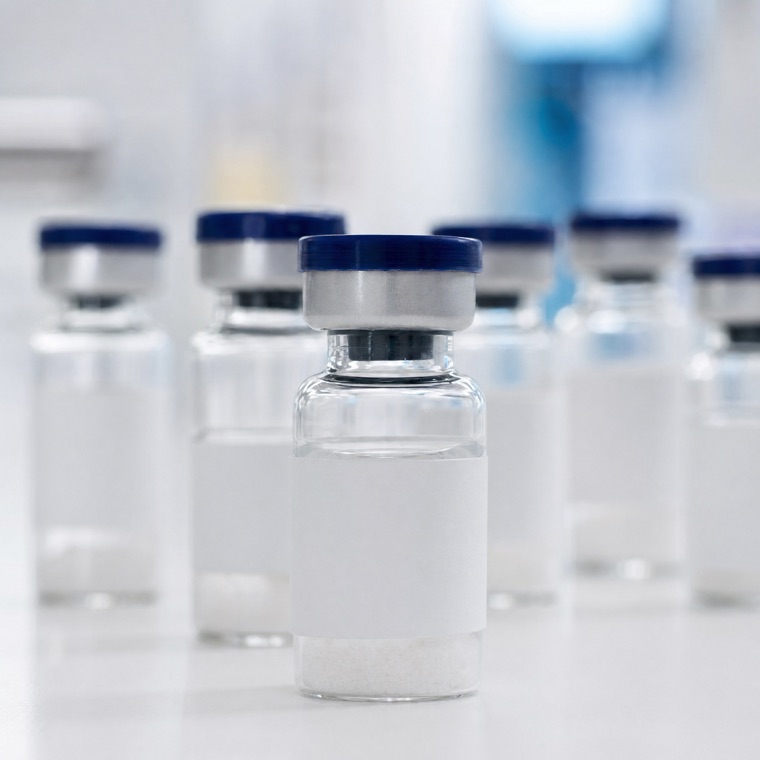
The best collagen peptide powders are hydrolyzed for better solubility, sourced from traceable bovine or marine origins, and verified by a third-party lab such as NSF International or Informed Sport. Look for products that disclose collagen type, amino acid profile, and pass independent testing for heavy metals and label accuracy. Because individual health goals vary, it's worth discussing any new supplement with a qualified healthcare professional before purchasing.
How We Evaluated Collagen Peptide Powders
Every product in this guide was assessed against four criteria: third-party testing certification, sourcing transparency, label accuracy, and value per gram of protein. We did not accept manufacturer claims at face value. A product that lists 'grass-fed bovine' on the front panel but provides no documentation to support that claim scores lower than one that links to a Certificate of Analysis or carries a recognized certification mark.
Third-party testing was weighted most heavily because the supplement industry operates under a post-market enforcement model. The FDA does not approve dietary supplements before they go on sale, and a 2023 analysis published in JAMA Network Open found label inaccuracies across multiple protein supplement categories. Certifications from NSF International, Informed Sport, or USP give independent confirmation that what's on the label is in the tub.
Value was calculated as cost per 10 grams of protein, not cost per serving, because serving sizes vary widely across brands. A product with a 10-gram scoop priced at $0.80 per serving is not cheaper than a product with a 20-gram scoop at $1.40 per serving. We also noted whether a product contains additives, fillers, or proprietary blends that obscure actual collagen content.
What Are Collagen Peptide Powders, and How Are They Made?
Collagen is the most abundant structural protein in the human body, found in skin, tendons, ligaments, and bone. Collagen peptide powders are made by hydrolyzing collagen, a process that breaks the long protein chains into shorter fragments called peptides. Hydrolysis improves solubility in both hot and cold liquids and is thought to improve absorption compared to intact collagen, though the research on bioavailability is still developing.
Most commercial collagen powders come from one of three sources: bovine hide or bones, marine fish skin and scales, or porcine skin. Bovine sources tend to be rich in Type I and Type III collagen. Marine sources are predominantly Type I. Chicken-derived collagen, less common in powder form, is associated with Type II collagen found in cartilage. The type matters if you have a specific research interest, but most general-purpose products use bovine or marine Type I.
The term 'hydrolyzed collagen' and 'collagen peptides' are used interchangeably in most marketing. Both refer to the same enzymatic or acid-based breakdown process. Gelatin is a partially hydrolyzed form that gels when cooled; fully hydrolyzed collagen peptides stay dissolved. If a product does not specify hydrolysis, it may not dissolve cleanly in cold liquids.
Our Top Picks
Vital Proteins Collagen Peptides is the most widely available option and carries a reasonable sourcing story, listing USDA-certified pasture-raised bovine hides from Brazil. The unflavored version contains one ingredient. It does not carry an NSF or Informed Sport certification, which is a real gap, but Vital Proteins does publish batch-level Certificates of Analysis on request. At roughly $1.10 per 10 grams of protein in the standard 20-oz container, it sits in the mid-range on value.
Momentous Collagen Peptides earns a spot here specifically because it carries NSF Certified for Sport certification, the most rigorous third-party standard available for supplements. That matters if you are an athlete subject to drug testing or simply want the strongest available assurance of label accuracy. The price is higher, around $1.60 per 10 grams, but the certification premium is defensible.
Thorne Collagen Plus carries NSF certification and adds a small amount of vitamin C, which some researchers have studied in relation to collagen synthesis pathways. A 2019 review in Nutrients examined the role of vitamin C as a cofactor in collagen biosynthesis. Thorne's sourcing documentation is among the clearest in the category. For buyers who prioritize brand transparency and third-party verification over lowest price, Thorne is a consistent performer.
For a marine collagen option, Correxiko Marine Collagen is sourced from wild-caught North Atlantic cod and provides documentation on its fishing origins. Marine collagen tends to have a slightly higher price per gram than bovine, and Correxiko reflects that. It does not carry a major U.S. third-party certification, which is worth noting. Buyers who prefer marine sourcing for dietary or ethical reasons will find fewer certified options in this category overall.
- Best overall with third-party cert: Momentous Collagen Peptides (NSF Certified for Sport)
- Best for sourcing transparency at lower price: Vital Proteins Collagen Peptides
- Best with added vitamin C: Thorne Collagen Plus (NSF certified)
- Best marine option: Correxiko Marine Collagen (wild-caught cod, no major U.S. cert)
What Does the Research Actually Say?
The human evidence on collagen peptide supplementation is growing but still limited in scale. A 2019 randomized controlled trial published in the British Journal of Nutrition (n=102) found that participants who received specific collagen peptides over 12 weeks showed changes in skin elasticity measurements compared to placebo. That is a small sample, and the trial was industry-funded, both facts worth keeping in mind when reading the results.
A 2021 systematic review in Nutrients examined 11 randomized controlled trials on hydrolyzed collagen and skin outcomes. The authors noted that most trials were short in duration, used varying collagen sources and doses, and were frequently sponsored by collagen manufacturers. They concluded the evidence was promising but not yet sufficient to draw firm conclusions. This is a fair summary of where the field stands.
Research on collagen and joint-related outcomes is similarly early-stage. A 2017 study in the American Journal of Clinical Nutrition, with 139 athletes, found that participants who consumed a gelatin supplement with vitamin C before exercise showed increased collagen synthesis markers compared to placebo. The authors were careful to note these were biomarker changes, not direct measures of tissue repair. Animal and in-vitro studies make up a large portion of the broader collagen research base, and those findings do not translate automatically to human outcomes.
The honest takeaway is that collagen peptide powders have a plausible biological rationale and some early human trial support, but the evidence does not yet meet the bar required to make strong outcome claims. Anyone evaluating these products should weigh that context against the marketing language on most labels.
Who Should Think Carefully Before Buying
Collagen powders are generally well-tolerated in healthy adults, but a few groups should pause before purchasing. People with fish, shellfish, or egg allergies need to read sourcing labels carefully, since marine collagen comes from fish and some products use egg-derived collagen. Bovine-sourced products are not appropriate for people avoiding beef for religious or dietary reasons.
Anyone managing a chronic health condition, taking prescription medications, or pregnant should talk with a healthcare provider before adding any new supplement. This is standard guidance for the supplement category as a whole, and collagen is no exception. The fact that collagen is a naturally occurring protein does not automatically make any commercial preparation appropriate for every individual.
Buyers who are primarily motivated by marketing claims around skin, hair, or joint outcomes should be aware that the research does not yet support the confident language used on most product pages. That does not mean the products are without value, but it does mean expectations should be calibrated to what the current evidence actually shows rather than what a brand's website says.
How we evaluate
- Evidence tier Is the research preclinical (animal), limited human trials, or robust human data? We label each.
- Regulatory status Is the compound FDA-approved for any human use? Most are not. We state it plainly for each entry.
- Mechanism transparency Is the proposed mechanism understood, or is it theoretical? We separate the two.
- Vendor documentation Any vendor we link must supply batch-linked third-party COAs and make no human-use claims.
- Claim integrity We describe research findings as findings, never as guaranteed human outcomes.
The compounds covered in these guides are classified as research chemicals. None are approved by the FDA for human use, human consumption, or the treatment of any condition. They are sold legally only for laboratory and in vitro research purposes.
Affiliate disclosure: the link below is sponsored. We may earn a commission if you buy through it, at no cost to you. It does not affect our picks or scores.
See this month's top-rated picksFrequently asked questions
What is the difference between collagen peptides and regular collagen?
Regular collagen, such as gelatin, is only partially broken down and gels when cooled. Collagen peptides are fully hydrolyzed, meaning the protein chains are broken into much shorter fragments. This makes them soluble in cold liquids and is thought to affect how the body processes them, though the bioavailability research is still developing.
Does the type of collagen in a powder matter?
It can, depending on your interest. Type I collagen is the most common in skin, tendons, and bone, and is found in both bovine and marine products. Type II is associated with cartilage and is more common in chicken-derived supplements. Type III often appears alongside Type I in bovine products. Most general-purpose collagen powders are Type I, and most buyers do not need to look beyond that unless they have a specific research interest in a particular tissue type.
How do I verify that a collagen powder has been third-party tested?
Look for a certification mark from NSF International, Informed Sport, or USP printed on the label, not just mentioned in marketing copy. These organizations maintain searchable online databases where you can confirm a specific product's certification status. A Certificate of Analysis from a brand's website is a secondary option but carries less weight than an independent certification, since the brand controls what it publishes.
Sources
- Shaw et al., 2017, American Journal of Clinical Nutrition Gelatin and vitamin C collagen synthesis RCT
- Bolke et al., 2019, Nutrients Collagen peptide skin elasticity RCT
- Barati et al., 2020, Journal of Drugs in Dermatology Systematic review of collagen supplementation trials
Educational and informational content only. This is not medical advice, diagnosis, or treatment guidance. The compounds discussed are research compounds not approved by the FDA for human use, human consumption, or the treatment of any condition outside prescribed contexts. Consult a licensed clinician before making any health-related decision.